Langston Hughes and Capturing the Deferred American Dream
by Gabriela Godinez Feregrino
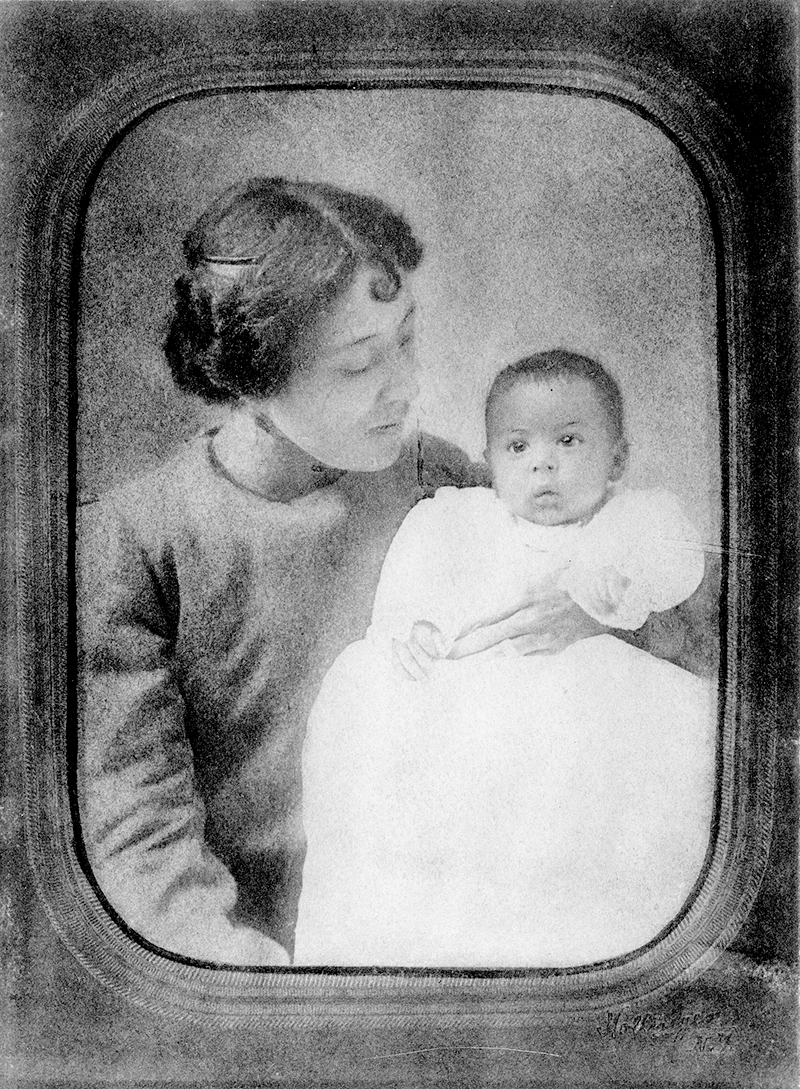
Langston Hughes was born in the Jim Crow South, in Joplin, Missouri, on February 1, 1901. His earliest memories, however, were formed in Lawrence, Kansas, where he spent the majority of his childhood with his maternal grandmother (his mother and father were separated shortly after he was born, and his mother placed him in his grandmother’s care while she searched for work and his father left for Mexico, in search of economic opportunity free from American racism). Throughout his early years, Hughes saw his mother only periodically and his father even less frequently. When Hughes was six, his mother briefly took him to Mexico with the intention to stay, but they left after a powerful earthquake and his mother ultimately returned him to his grandmother’s home.
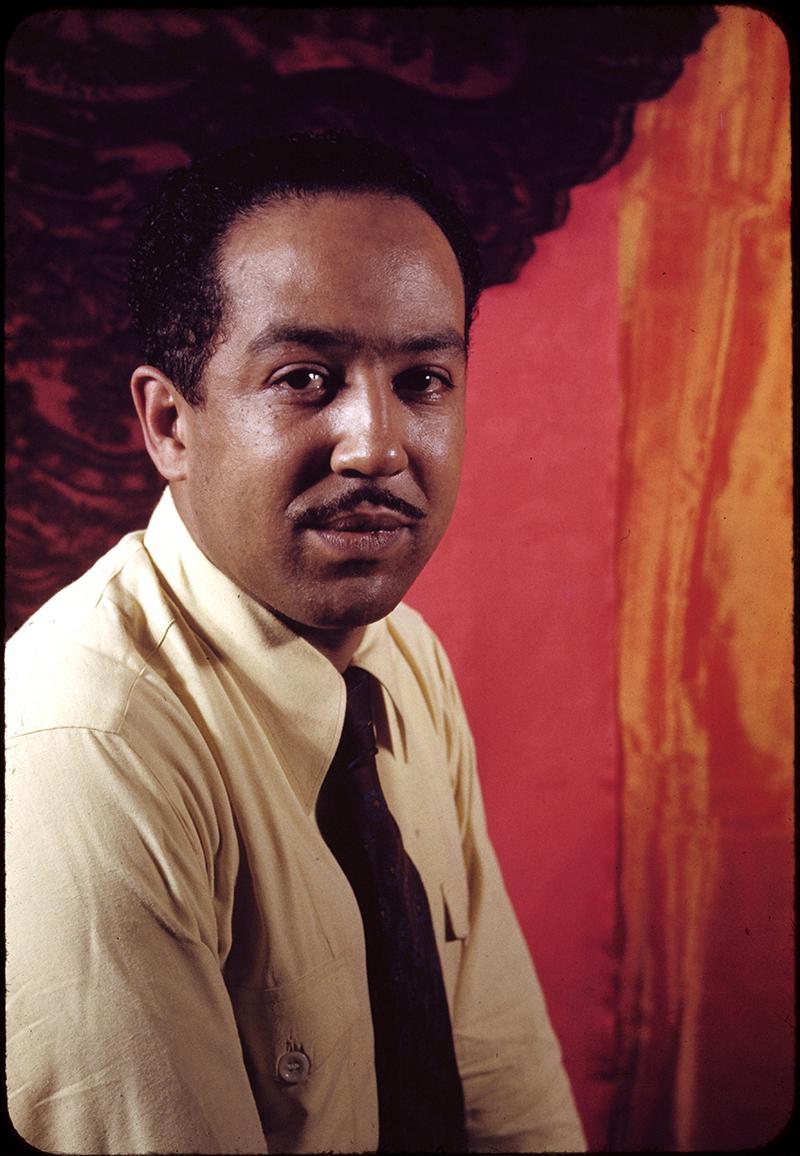
Hughes attended an integrated school in Lawrence, Kansas, though he was not warmly received by either teachers or peers. He later reunited with his mother in Lincoln, Illinois, and, in 1916, moved with her and his stepfather to Cleveland, Ohio. There, his mother ensured he was surrounded by literature and performance, taking him to libraries and plays whenever possible. From this upbringing, marked both by constant movement and deep immersion in language and art, arose one of the central voices of the Harlem Renaissance.
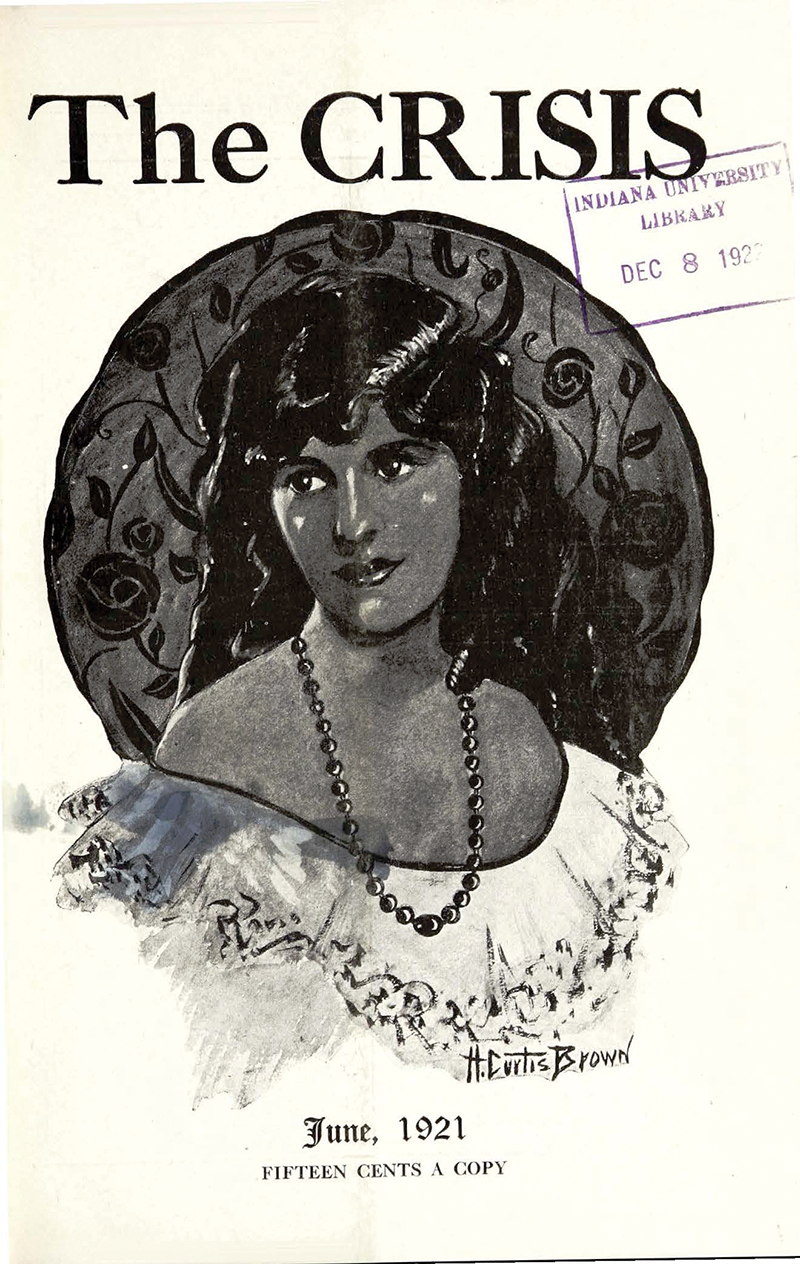
Hughes’s literary career began early. Curious about his father, he accepted an invitation to spend the summer before his senior year of high school in Toluca, Mexico. Although the visit did not repair their strained relationship, traveling deepened Hughes’ literary inspiration. After graduating, he returned to Mexico by train and famously composed “The Negro Speaks of Rivers” while crossing the Mississippi River. The poem was published in the NAACP’s magazine The Crisis when he was 19 years old. He remained in Mexico for a year, after which his father agreed to fund his education at Columbia University, insisting, however, that his son pursue a “practical” career. Hughes enrolled in the college’s School of Mines, Engineering and Chemistry and maintained good grades, but found himself uninterested in the coursework. This lack of passion combined with the racial hostility he encountered on campus caused him to leave Columbia after only a year.
But Hughes was already in New York City, and Harlem was alive with artistic and cultural energy. Supporting himself through a series of odd jobs, he devoted himself to writing and continued to refine his craft. His work drew deeply from the historical roots and enduring resilience of Black identity. His first poetry collection, The Weary Blues, stood out for its incorporation of jazz and blues rhythms, capturing the everyday experiences of Black Americans with striking honesty. Hughes wrote deliberately for a broad audience, favoring accessible language and rejecting the expectation that Black writers conform to white literary standards. He instead embraced Black culture and vernacular, an approach that made his work both politically powerful and culturally invaluable. His writing reflects the full spectrum of Black American life, from joy and humor to hardship and injustice. One of his most celebrated poems, “Harlem,” poses the haunting question, “What happens to a dream deferred?” (“A Dream Deferred: Langston Hughes in Song” is the title of Festival Director Julia Bullock’s May 17 recital). It discusses dreams as something alive and describes their neglect as something that could decay or rot. This poem is not only about personal disappointment but also reflects the collective frustration of Black Americans, for whom systemic inequality delayed or halted the pursuit of happiness and human rights. Hughes never says this explicitly in the poem, nor does he ever answer the first question posed. Instead, Hughes invites readers into a conversation and encourages them to answer the questions themselves.
In addition to poetry, Hughes wrote essays, plays, novels and short stories throughout his career. He traveled extensively, returning to Mexico and visiting France, Spain and parts of Africa. These experiences broadened his perspective, enriched his writing and deepened his commitment to both racial equality and workers’ rights. During the 1930s and 1940s, he became increasingly engaged in social and political issues.
Langston Hughes died on May 22, 1967, in New York City. He left behind a vast and enduring body of work that remains sharply relevant today. He is remembered as a pioneering voice who captured the spirit of his time while helping to shape the future of American literature. His exploration of identity, resilience and the enduring power of dreams transcends time and generations.